Said Foundation Scholarship in UK 2027 for Master’s Studies | Fully Funded
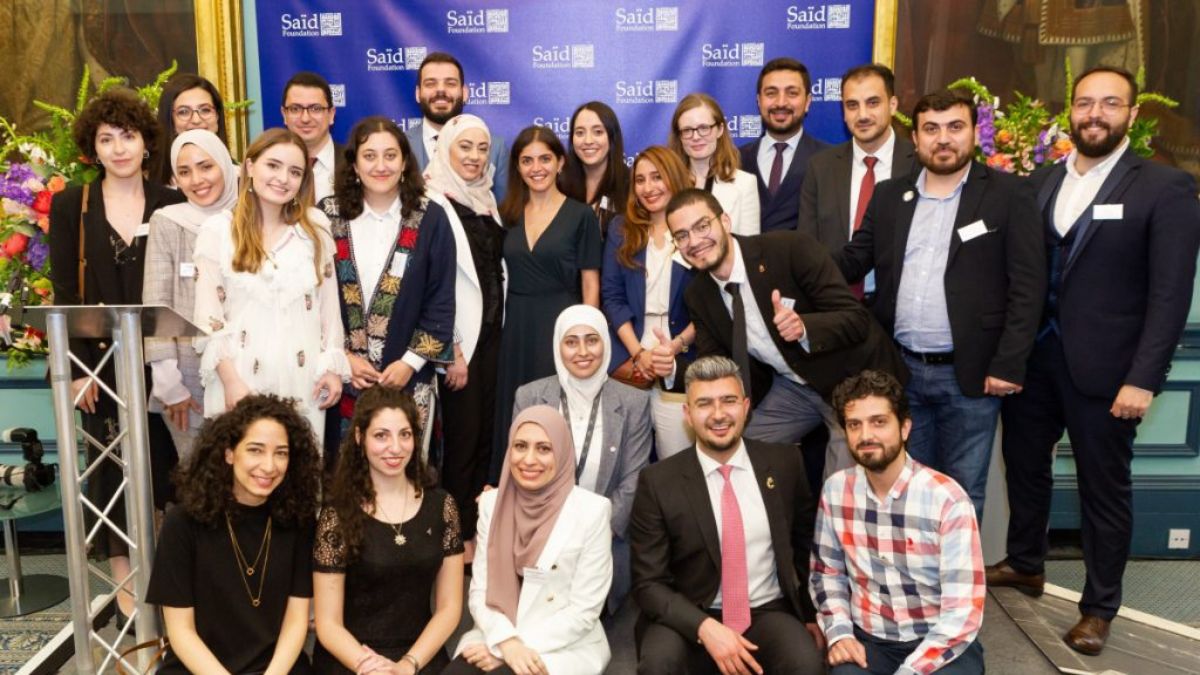
Applications are open for the Saïd Foundation Scholarships for the 2027/28 academic year. The programme supports outstanding applicants connected to its target countries of Syria, Jordan, Lebanon and Palestine. It offers opportunities for one-year master’s study in the UK, with a focus on people who can use their education to benefit their communities. The deadline is 30 October 2026 at 5pm UK time.
Scholarship summary
- Provider: Saïd Foundation.
- Location: United Kingdom.
- Level: Masters
- Target countries: Syria, Jordan, Lebanon and Palestine.
- Deadline: 30 October 2026, 5pm UK time.
- Course choice: Normally at a partner university.
Which subjects are considered?
The Foundation does not restrict academic subjects, but applicants must explain how their study can support development in their home country. A non-partner university may be considered when the proposed course is unavailable at partner universities. Undergraduate and PhD programmes are outside this scholarship route.
University applications
An admission offer is not required at scholarship submission, but applicants should provide evidence of applying where the course is open. If course applications open later, follow the Foundation’s instructions and provide the required evidence by 29 January 2027. Check the current rules for nationality, residence, documents and funding before applying.
Start with a clear community need
Think about a problem you know through work, study or community involvement. Explain who is affected and why the issue matters. Avoid beginning with a claim that your chosen degree will solve every challenge in a sector. A focused need is easier to connect to a realistic study and career plan.
For example, an education professional might want to improve teacher training in a particular setting. A technical applicant could be interested in making public information easier to manage or use. These examples show how to develop a purpose. Your application should use a need you understand and can explain with your own experience.
Compare courses before choosing
Look at the Foundation’s current partner list and compare relevant courses. Read the modules, assessment structure and final project requirements. Identify the content that would help you address the need you described. Keep a short record of why each course is suitable, including any important differences between them.
Check whether the course is designed for your academic background. Some programmes expect earlier study in a particular subject, while others accept applicants from different fields. Confirm requirements on the university page and ask admissions staff when necessary. Do not assume that scholarship eligibility replaces the course’s academic or English language requirements.
Explain why the degree is needed now
Your application should show the next step in your development. Describe the work you have done, the limits you have reached and the knowledge you want to gain. This helps the reader understand why postgraduate study is useful at this point. It also gives your course choice a reason beyond wanting to study abroad.
If you are changing direction, explain the connection between your existing skills and the new field. A career change can make sense when the reasoning is clear. Identify any gaps in your preparation and how you are addressing them. Avoid hiding a change of direction behind a long list of unrelated achievements.
Show leadership through actions
Choose an example where you took responsibility, influenced a decision or helped people work towards a shared goal. Describe the situation and your role. Explain what you did, why you did it and what happened. You may use a professional, academic or community example if it provides clear evidence.
Be careful with the word “led.” If you supported a project rather than managed it, explain the support you provided. If you proposed an idea that others helped deliver, recognise their contribution. Accurate descriptions show credibility and allow the reader to judge your strengths without needing exaggerated titles.
Connect study to future action
Describe how you intend to use the degree after completing it. Break the plan into steps you can explain. You might begin by applying a new method at work, sharing knowledge with colleagues or testing a small project with a local organisation. Explain how these actions could develop into a wider contribution over time.
Identify barriers as well as opportunities. A project may need funding, access to data, approval or support from other people. Show that you have thought about these needs. You do not need to have every future arrangement settled, but you should distinguish between what is already available and what you still plan to seek.
Prepare documents and references
Use the official application guidance to build your checklist. Record the status of each document and the date you expect it. Check that qualification details are consistent across your form, CV and transcripts. Follow the stated translation requirements. Keep readable copies of the documents you submit so you can answer any later query.
Ask referees early and give them relevant background. They should understand your proposed course and the reasons for your application. Choose people who can discuss your academic ability, professional development or contribution to others, according to the provider’s rules. Let them write their own references and give them a clear deadline.
Write focused answers
Answer the question directly before adding background. Use one or two relevant examples rather than a long account of your whole life. Explain the meaning of an achievement instead of only naming an award or organisation. A reader should understand what you did and why it matters even if they have never heard of the institution involved.
Remove phrases that do not provide information. Statements such as “I am very passionate” become stronger when followed by an example of sustained effort. You can show interest through projects completed, people supported or problems explored. Keep the language natural and make sure every claim could be discussed in an interview.
Manage deadlines after submission
Keep the scholarship deadline and university deadlines in one calendar. Record which course applications are open and which are expected to open later. Set your own target dates before the official closing dates so there is time to deal with missing evidence. Save application numbers and use consistent contact details.
After submitting, monitor the email account used for your application. Keep track of any offer letters or requests for additional information. Read messages fully before replying, and follow the official instructions for uploading updates. Continue preparing for admission requirements while the scholarship selection process is underway.
Deadline reminder
Closes 30 October 2026 (in 11 days).
Get an email before this closes. Free, no password.
Sign in to set a reminderGet scholarship alerts
Be the first to know about new scholarships that match your search.
Related scholarships
How we check scholarships
Official source
Scholarships are sourced from official university and research pages.
Deadline information
We check and update deadlines regularly.