British National (Overseas) Visa
What is the British National (Overseas) visa?
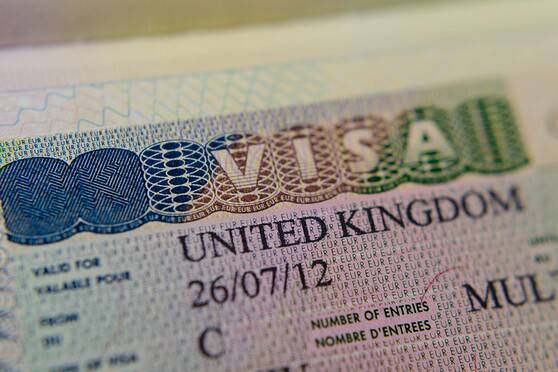
The British National (Overseas) visa, usually written BN(O) visa, lets people from Hong Kong who hold BN(O) status live, work and study in the UK, together with their close family. It opened on 31 January 2021.
The UK created the route after China imposed the National Security Law on Hong Kong in June 2020. The UK government said the law broke the promises made when Hong Kong was handed back to China in 1997. It responded by offering BN(O) status holders a path to live in the UK and become British citizens.
The visa is unusual among UK visas. It rests on a historic link with the UK. Your job, skills and income play no part. You do not need:
• A job offer or a sponsor
• A minimum salary
• A qualification
• An English test at the visa stage
You need BN(O) status, or a close family link to someone who has it. You must normally live in Hong Kong or the UK. You must show you can support yourself for your first six months.
With the visa you can work in almost any job, run a business, and study. You choose a visa of 30 months or five years. After five years in the UK you can apply to settle, and 12 months after that you can apply for British citizenship.
This guide explains what BN(O) status is, who can apply, the two routes, the money and documents you need, what it costs, how to apply, and how to move from the visa to settlement and citizenship. It uses the rules in force in October 2026.
BN(O) status explained
BN(O) status is a type of British nationality held by people who registered for it in Hong Kong before 1 July 1997. It is not the same thing as the BN(O) visa. The status is a nationality you already hold. The visa is the permission to live in the UK that the status lets you apply for.
Where the status came from
Before 1997, most people born in Hong Kong were British dependent territories citizens. That citizenship ended for Hong Kong when it returned to China. The UK let those citizens register for a new status, British national (overseas), so that they could keep a link with the UK.
Registration closed on 1 July 1997. GOV.UK states the position plainly: if you are not already a British national (overseas), you cannot apply to become one. The rules are on the GOV.UK page on British national (overseas) status.
Three facts follow from this:
• The status lasts for life. It does not expire, even if your BN(O) passport expired many years ago.
• It cannot be passed on. Children of BN(O) status holders do not inherit it. The visa covers them through the family rules instead.
• No one born on or after 1 July 1997 holds it. The youngest status holders were babies in 1997.
What the status gives you on its own
A BN(O) status holder can:
• Hold a British passport of the BN(O) type
• Visit the UK for up to six months without a visa
• Get help from British embassies and consulates, except in mainland China, Hong Kong and Macao
The status alone does not give you the right to live or work in the UK. You are still subject to immigration control. That is the gap the BN(O) visa fills.
Do you need a BN(O) passport to apply?
No. You do not need a current BN(O) passport, and you do not need to renew one to apply for the visa. You can apply with a valid Hong Kong Special Administrative Region passport or another valid travel document.
If you still have a BN(O) passport, even an expired one, use it as proof of your status. If you have lost it, the Home Office can check its own records of BN(O) registrations.
One practical point. Since January 2021 the Chinese and Hong Kong authorities no longer recognise the BN(O) passport as a travel document or proof of identity. Most people leave Hong Kong on their Hong Kong passport or identity card.
How to check whether you have the status
• You held a BN(O) passport at any time, or
• You were included as a child in a parent's BN(O) passport and then registered in your own right before the deadline, or
• You have a letter or certificate confirming your registration
If you are unsure, you can ask HM Passport Office to confirm your status. People born in Hong Kong before 1 July 1997 who never registered do not have BN(O) status. They may still qualify for the visa as the child of a status holder, which the next section explains.
The two routes into the visa
There are two ways to be a main applicant. You can apply as a BN(O) status holder, or as the adult child of one. Each main applicant can bring their own family members as dependants.
Route 1: BN(O) Status Holder
This is for people who hold BN(O) status themselves. You must be 18 or older. Because registration closed in 1997, everyone on this route is now well into adult life.
You are the main applicant. Your partner, your children and certain other relatives apply as your dependants.
Route 2: BN(O) Adult Child
This is for the adult children of BN(O) status holders. You can apply if:
• You are 18 or older
• You were born on or after 1 July 1979
• At least one of your parents is a British national (overseas)
You apply in your own right, separately from your parent. Your parent does not need to apply, does not need to move to the UK, and does not need to hold a BN(O) visa. You do not need to live with your parent. Your own partner and children can apply with you as your dependants.
You will need to prove two things: that your parent has BN(O) status, and that you are their child. A birth certificate naming your parent, with a copy of their BN(O) passport, is the usual evidence.
The 2026 expansion
The second route used to be much narrower. It was called the BN(O) Household Member route and covered only children born on or after 1 July 1997.
That left a gap. People born between 1979 and 1997 were children at the handover. Many were never registered for BN(O) status by their parents, and they were too old for the family route. In some families one sibling could move to the UK and another could not.
The government announced on 9 February 2026 that it would close the gap. The change took effect on 8 April 2026. The route was renamed BN(O) Adult Child, and the birth date limit moved from 1 July 1997 to 1 July 1979. Anyone who was under 18 at the handover and has a BN(O) parent can now apply.
If an adviser or an older guide told you that you were not eligible because of your date of birth, check again.
Which route applies to you?
Your situation | Route |
You registered as a BN(O) before July 1997 | BN(O) Status Holder |
You were born on or after 1 July 1979, are now 18 or older, and a parent is a BN(O) | BN(O) Adult Child |
You hold BN(O) status and a parent is also a BN(O) | Either, but apply as a Status Holder |
You are the partner or child under 18 of someone on either route | Dependant of that person |
You were born before 1 July 1979 and never registered | Not eligible as a main applicant. You may qualify as a partner or an adult dependent relative. |
Neither you nor a parent ever held BN(O) status | Not eligible. Look at other UK visas. |
Eligibility requirements
Beyond BN(O) status or a BN(O) parent, you must meet a residence rule, a money rule, a tuberculosis test rule and the general character checks. The official summary is on the GOV.UK BN(O) visa page.
Requirement | What it means |
Status | You are a BN(O), or the adult child of one born on or after 1 July 1979 |
Age | Main applicants must be 18 or older |
Residence | Your permanent home is in Hong Kong, or in the UK, Channel Islands or Isle of Man if you apply from inside the UK |
Money | You can house and support yourself and your family for six months |
Tuberculosis test | You have a certificate from an approved clinic, if the rule applies to you |
Character | You pass the checks on criminal record and immigration history |
The residence rule
Where your permanent home must be depends on where you apply.
• Applying from outside the UK: your permanent home must be in Hong Kong.
• Applying from inside the UK: your permanent home must be in the UK, the Channel Islands, the Isle of Man or Hong Kong.
The Home Office uses the phrase “ordinarily resident”. It means the place where you normally live as part of the settled order of your life. Short trips abroad for holidays, work or study do not break it.
The rule shuts out BN(O) status holders who have made their permanent home in a third country. A status holder who emigrated to Canada or Australia years ago and lives there now does not meet it. That person would first need to return to live in Hong Kong, or look at another UK visa.
Proof of residence usually means documents showing your Hong Kong address over time. The documents section lists what is accepted.
The money rule
The first time you apply, you must show you can pay for housing and living costs for yourself and your family for six months. There is no fixed bank balance. The amount depends on your family size and housing plans. The money section explains how it is worked out.
You usually do not need to meet this rule if you have already lived in the UK for 12 months or more.
The tuberculosis test
Hong Kong is on the UK's list of places where a tuberculosis test is needed. If you have been living in Hong Kong for the last six months, you must take a test at a clinic approved by the Home Office and include the certificate. The certificate is valid for six months.
If you apply from inside the UK and have lived here for six months or more, you do not need a test.
Character and criminal record
The normal UK suitability rules apply. Serious criminal convictions, past breaches of UK immigration law and false information can all lead to refusal.
The Home Office has recognised that some convictions in Hong Kong relate to protest or political expression. Its guidance lets caseworkers take into account whether the conduct would be an offence in the UK. You must still declare every conviction. Give a short, factual explanation and any court papers you have. People in this position should get advice from a regulated adviser before applying.
What is not required
• A job offer, a sponsor or a minimum salary
• A degree or any qualification
• An English test. English is tested later, when you apply to settle.
• An upper age limit. Older status holders, including retired people, can apply.
• A current BN(O) passport
Family members who can apply
Your partner, children under 18 and some other relatives can apply as your dependants. They do not need BN(O) status themselves, and they can hold any nationality. The rules are on the GOV.UK family members page.
Who counts as a dependant
Family member | Conditions |
Husband, wife or civil partner | The marriage or civil partnership is recognised in the UK |
Unmarried partner | You have been in a relationship for at least two years |
Your child or grandchild under 18 | They normally live with you |
Your partner's child under 18 | They normally live with you |
Your partner's child aged 18 or older | Only if you are a BN(O) status holder. They must be born on or after 1 July 1979, apply at the same time as you, and normally live with you. |
Adult dependent relative | A parent, grandparent, brother, sister, son or daughter who needs long term care |
Your own child aged 18 or older is not your dependant. They make their own application as a main applicant on the BN(O) Adult Child route.
Partners
Your partner must prove one of these:
• You are married or in a civil partnership that the UK recognises
• You have lived together in a relationship for at least two years
• You have been in a relationship for at least two years but cannot live together, for example because you work or study in different places
Couples who do not live together must show an ongoing commitment. Evidence includes regular contact, financial support for each other, shared care of children, and time spent together.
Children under 18
A child under 18 normally needs to apply with both parents. Three exceptions apply:
• One parent has sole responsibility for the child
• One parent already holds a BN(O) visa
• One parent already has the right to live in the UK permanently, for example as a British citizen
The child must normally live with you, unless they live away to study or are applying after you have moved to the UK.
Grandchildren under 18 are included. This helps older status holders who are the main carers for a grandchild.
Adult dependent relatives
This category is narrow. The relative must show both of these:
• They need long term care with everyday personal and household tasks because of illness, disability or age, and medical records show it
• They cannot get or afford that care in Hong Kong without you, even with your or your partner's financial help
A healthy retired parent does not qualify here. A parent who holds BN(O) status can apply as a main applicant instead, and many older Hong Kong residents do hold it.
When family members must apply
Family member | Timing |
Partner | With you, or later while your visa is valid |
Child under 18 | With you, or later while your visa is valid |
Adult dependent relative | With you, or later while your visa is valid |
Other family members, such as your partner's adult child | Within two days of your own application |
The two day rule is strict. If technical problems stop a family member from applying in time, contact UK Visas and Immigration at once.
How they apply
Each family member makes a separate application and pays their own fee and healthcare surcharge. You apply first and receive an application number. Your family members enter that number in their forms. You can also get a family linking code to tie the applications together.
The first time, family members must apply for the same visa length as you, either 30 months or five years.
What dependants can do
Dependants have the same rights as you. They can work, be self-employed and study. After five years in the UK they can apply to settle.
Money: how much you must show
You must show enough money to house and support yourself and your family for six months. A single adult needs about £2,000 on top of housing costs, and a couple with one child needs about £3,100. The figures are on the GOV.UK cost page.
How the amount is worked out
There are two parts.
Living costs. You need at least what a family of your size would receive on Income Support in the UK over six months. GOV.UK gives these examples:
Who is applying | Approximate amount for six months |
A single adult | £2,000 |
A couple with one child | £3,100 |
A couple with three children | £4,600 |
A couple with two parents and two adult children | £9,200 |
Housing. You also need to show how you will pay for somewhere to live for six months. You can do this with money for rent, a tenancy or mortgage agreement, or a written offer of accommodation from family or friends in the UK.
The total is therefore living costs plus six months of housing. A single person renting a room at £700 a month would need about £2,000 plus £4,200, or £6,200 in total. The same person staying free with a relative would need only the £2,000, plus the relative's letter.
What money counts
• Your own income and savings
• Your family members' income and savings, if they are applying with you
• Earnings from a job you already hold in the UK
• Earnings from a job in the UK that you are transferring to with your current employer
• An offer of financial help from family or friends, backed by their bank statements or payslips
A new job offer in the UK does not usually count. The only exception is a transfer with your existing employer.
How to prove it
Accepted evidence includes:
• Bank or savings account statements
• Payslips
• Proof of self-employed income
• Proof of rental income from property
• A letter from friends or family offering support, with evidence that they have the money
• A letter confirming an offer of accommodation
• A tenancy or mortgage agreement
At least one piece of evidence must be dated no more than 31 days before you apply.
Unlike most UK visas, this route has no rule that the money must sit in your account for 28 days. Clear, recent statements showing a steady balance are still the safest evidence. A large deposit that appears just before the application invites questions, so add a short note explaining where it came from.
Who does not need to show money
You usually do not need to meet the money rule if you have lived in the UK for 12 months or more. It also does not apply when you extend your visa.
Planning beyond the minimum
The official figures are a legal minimum, and real costs are higher. Rent, a deposit, council tax, transport and setting up a home will take far more than £2,000 in most UK cities. Many families from Hong Kong plan for six to twelve months of full living costs while they look for work.
One more point for savers. Hong Kong pension trustees have generally refused to release Mandatory Provident Fund savings early to people leaving on a BN(O) visa. Do not count on that money for your move.
Documents you need
You need a valid travel document, proof of BN(O) status, proof of your home address, proof of money, and a tuberculosis certificate if the rule applies. The list is on the GOV.UK documents page.
Checklist by document type
Document | Who needs it | Notes |
Valid passport or travel document | Everyone | A Hong Kong passport or a BN(O) passport both work |
Proof of BN(O) status | Status holders | A current or expired BN(O) passport, or a photocopy |
Parent's BN(O) passport and your birth or adoption certificate | Adult child applicants | A photocopy of the passport is accepted |
Proof of home address | Everyone | Up to three documents |
Proof of money and housing | First time applicants with under 12 months in the UK | At least one item dated within 31 days of applying |
Proof of relationship | Dependants | Marriage, civil partnership, birth or adoption certificates |
Tuberculosis certificate | People who have lived in Hong Kong or another listed place for the last six months | From an approved clinic, no older than six months |
Certified translations | Anyone with documents not in English |
|
Proof of BN(O) status
A BN(O) passport is the simplest proof, and an expired one is fine. A photocopy is accepted.
If you no longer have one, you can still apply. The Home Office checks its own records, though the decision may take longer.
Adult child applicants who cannot get a parent's passport details should give the parent's full name and date of birth in the form. The Home Office will then check the parent's status.
Proof of home address
You can provide up to three documents. Accepted items include:
• Household or utility bills
• Bank statements
• Payslips
• A letter from your employer confirming your job
• Rent or mortgage payment records
• A visa, residence permit or other immigration document
• An appointment letter from a doctor or other healthcare professional
• A letter from a local council or government department
Choose documents from different sources and different dates. Three items spread over a year or more show a settled home better than three from the same month.
Dependants must show that they live at the same address as you. The exception is a partner, child under 18 or adult dependent relative who applies after you have already moved to the UK.
Tuberculosis certificate
Book the test early. Appointments at approved clinics can be hard to get at busy times. GOV.UK advises waiting until you have the certificate before you apply, so that your application is not considered without it.
The certificate must be no more than six months old on the day you apply. It must come from an approved test centre abroad or an approved centre in the UK. Children also need to attend, though young children are usually assessed without an X-ray.
People already in the UK who gave a certificate when they arrived do not need a new one.
Translations
Hong Kong documents are often issued in both Chinese and English. A document that is only in Chinese needs a certified translation. The translator must confirm that the translation is accurate and give the date, their name and contact details.
Tips
• Scan every document in colour, with all four corners visible
• Use the same spelling of your name on every form, matching your passport
• Keep copies of everything you upload. You will need the same records again when you apply to settle.
How much it costs
A single adult pays £2,793.50 for a 30 month visa or £5,460 for a five year visa. The application fee is small. The healthcare surcharge makes up almost all of the cost. These figures are from the GOV.UK cost page and apply from 8 April 2026.
Government charges
Charge | 30 month visa | 5 year visa |
Application fee, per person | £206 | £285 |
Healthcare surcharge, adult | £2,587.50 | £5,175 |
Healthcare surcharge, child under 18 | £1,940 | £3,880 |
Total for one adult | £2,793.50 | £5,460 |
Total for one child | £2,146 | £4,165 |
Every applicant pays, including each dependant. You pay the full amount when you apply. The fees are the same whether you apply from Hong Kong or from inside the UK.
The healthcare surcharge gives you access to the National Health Service. You still pay for prescriptions in England, dental care and eye tests, as UK residents do.
Worked examples
Who is applying | 30 month visa | 5 year visa |
One adult | £2,793.50 | £5,460 |
A couple | £5,587 | £10,920 |
A couple with one child | £7,733 | £15,085 |
A couple with two children | £9,879 | £19,250 |
30 months or five years?
You need five years in the UK to settle. You can reach that with one five year visa, or with a 30 month visa followed by a 30 month extension.
| One 5 year visa | Two 30 month visas |
Total cost for one adult | £5,460 | £5,587 |
Paid upfront | £5,460 | £2,793.50 |
Applications before settlement | One | Two |
The five year visa is slightly cheaper and saves you a second application. The 30 month visa halves the upfront cost. It suits families who need to keep cash for the move, and people who are not yet sure they will stay.
The 30 month option has one more advantage. If you later fall on hard times and receive benefits, a 30 month extension can be free. GOV.UK states that you pay no application fee and no surcharge if you are extending for 30 months, receiving benefits, and unable to afford the charges. That waiver does not apply to a five year extension.
A timing point: with a 30 month first visa, apply to extend before it ends. Fees and the surcharge may have risen by then.
Other costs
• Tuberculosis test. Paid to the clinic, per person.
• Certified translations of any documents only in Chinese.
• Faster decision. A paid priority service is available in some cases.
• The move itself. Flights, shipping, a rental deposit and the first months of rent.
Costs later on
Settlement and citizenship have their own fees. From 8 April 2026, settlement costs £3,226 per person. Naturalisation as a British citizen costs £1,709, plus £130 for the ceremony. The Life in the UK test costs £50.
For one adult choosing the five year visa, government charges from first application to British citizenship come to about £10,600. A family of four should plan for a much larger total, because every person pays at every stage. Start a savings plan for the settlement fee in your first year.
Refunds
If your visa is refused, the healthcare surcharge is returned. The application fee is not.
How to apply, step by step
You apply online, and a decision usually comes within 12 weeks. Many people with a suitable passport can complete the whole process on a phone, with no appointment. The process is on the GOV.UK page for applying from outside the UK.
The steps
1. Confirm your route. Decide whether you are applying as a BN(O) status holder or as the adult child of one.
2. Decide who is applying with you. List each family member and check when each one must apply.
3. Choose the visa length. 30 months or five years. Family members must choose the same length as you.
4. Book tuberculosis tests for everyone who needs one, and wait for the certificates.
5. Gather your documents. Passport, proof of status, proof of address, proof of money and relationship certificates.
6. Complete the online form. You are the first to apply. You receive an application number and can get a family linking code.
7. Pay the application fee and the healthcare surcharge.
8. Prove your identity. See the two methods below.
9. Upload your documents.
10. Family members apply. They use your application number. Those bound by the two day rule must apply within two days of you.
11. Wait for the decision. It arrives by email.
12. Travel to the UK after you receive the decision, and before the visa ends.
Two ways to prove your identity
The UK Immigration: ID Check app. You scan the chip in your passport with your phone and take a photo of your face. You can use the app if you hold a BN(O) passport, a Hong Kong Special Administrative Region passport or a passport from a European Economic Area country. You do not visit a visa centre and you keep your passport throughout.
A visa application centre. If you cannot use the app, you book an appointment and give your fingerprints and a photo. You take your passport with you and collect it the same day.
People who use the app receive a digital status only, called an eVisa. You view it and prove it online through your UK Visas and Immigration account.
You do not have to travel on the passport you applied with. If your details change, for example you get a new passport, update your account before you travel so that your status links to the document you carry.
How long it takes
How you proved your identity | The 12 weeks starts from |
ID Check app | The date you submitted the online application |
Visa application centre | The date of your appointment |
A decision can take longer if:
• Your documents need to be verified, or more evidence is needed
• You are asked to attend an interview
• You do not have a valid tuberculosis certificate
• You have a criminal conviction for an offence recognised in the UK
• You have no BN(O) passport and the Home Office must check its records
A paid faster service may be offered. The form tells you if it is available.
Three points about timing
Your visa starts on the day it is approved. It does not start on the date you ask for, and it does not wait for you to arrive. Time on the visa starts to run at once.
Do not book flights or resign from work before the decision. GOV.UK says to wait for the decision before you travel.
Do not delay your move for long after approval. Time spent outside the UK after the visa is granted can count as absence when you later apply to settle. The settlement rules allow no more than 180 days outside the UK in any 12 month period. Aim to arrive within a few months.
Applying as a family
Family members can receive their decisions on different days. A later decision for one person is not a sign of refusal. If you want to travel together, wait until everyone has a decision before booking.
Children under 18 must travel with one or both parents, unless they are joining parents already in the UK.
If the main applicant is refused, the dependants are refused too. If the main applicant succeeds and a dependant is refused, the main applicant can still come.
If you are refused
You receive the reasons in writing, and the healthcare surcharge is refunded. You can ask for an administrative review if you believe the caseworker made an error. Where the refusal was due to missing evidence, a fresh application with the right documents is usually quicker.
What you can and cannot do on the visa
You can work in almost any job, run a business and study, with no sponsor and no limit on hours. The two limits are professional sport and, in most cases, state benefits.
Activity | Allowed? | Notes |
Work for any employer | Yes | No sponsor, skill level or minimum salary |
Hold several jobs | Yes | No limit on hours |
Be self-employed or run a company | Yes | Register for tax as any UK resident does |
Study at school, college or university | Yes | Children can attend state schools free of charge |
Stop working, retire, or care for family | Yes | The visa does not depend on work |
Travel in and out of the UK | Yes | Long absences can delay settlement |
Use the NHS | Yes | Covered by the healthcare surcharge |
Rent or buy a home | Yes |
|
Work as a professional sportsperson or sports coach | No |
|
Claim most benefits | Usually no | See below |
Benefits and the “no public funds” condition
The visa normally comes with a condition called no recourse to public funds. It means you cannot claim most state benefits, such as Universal Credit, Housing Benefit and Child Benefit, and you cannot get council housing.
The BN(O) route has a safety net that most visas lack. If you fall into serious financial difficulty, you can apply to have the condition removed. This is called a change of conditions application, and it is free. GOV.UK says you may qualify if you:
• Have no place to live and cannot afford one
• Have a place to live but cannot afford essentials such as food or heating
• Are at risk of losing your home or being unable to afford essentials
• Have a very low income, and lack of access to benefits would harm your child's wellbeing
You will need to show your finances with bank statements and details of your income and outgoings.
Two points to remember:
• Using this safety net does not cost you settlement. GOV.UK states that if you get access to benefits, you can still apply to live in the UK permanently after five years.
• It can make an extension free. A 30 month extension has no fee and no surcharge for people who receive benefits and cannot afford the charges.
Some support is not classed as public funds, and you can use it from the start. This includes the NHS, state schooling for children, and contribution based benefits that you earn through National Insurance payments from your work.
Study and tuition fees
You can study at any level. For university, check your fee status before you apply. In most of the UK, BN(O) visa holders are charged the higher international fee rate and cannot get student loans until they have settled status and have lived in the UK for the required period. The rules differ between England, Scotland, Wales and Northern Ireland, and they have been changing. Ask the university's admissions office to confirm your status in writing.
Tax
Once you live in the UK you normally become a UK tax resident. You then pay UK tax on your earnings, and you may have to report income and gains from Hong Kong, such as rent from a flat or bank interest. The rules for new arrivals changed in April 2025. Take advice from a tax adviser before you move if you own property or investments in Hong Kong.
Extending your visa and switching from another visa
You can extend a BN(O) visa as many times as you like, and you can switch to it from inside the UK from most other immigration positions. Both are done online, with a usual decision time of 12 weeks.
Extending
The rules are on the GOV.UK extension page.
• Apply before your current visa ends
• Choose 30 months or five years again
• Pay the application fee and healthcare surcharge for the new period
• You do not need to show money or a tuberculosis certificate again
Your current visa does not need to be replaced before it runs out. Once you have applied in time, you can stay and keep working and studying on the same terms until the decision arrives.
Do not travel outside the UK, Channel Islands or Isle of Man while the application is pending.
The 28 day point
If you plan to settle, do not apply to extend more than 28 days before your current visa ends. Your new visa starts on the day it is granted. An early application can leave you with a new visa that ends before you reach five years, forcing another paid extension.
If time remains on your old visa when the new one is granted, up to 28 days of it is added to the new one.
Most people who started with a 30 month visa need exactly one extension. Put the date in your calendar well ahead, and apply in the final four weeks.
Family members and extensions
Each family member applies separately.
• Children under 18 usually extend together with both parents who hold BN(O) visas, using your extension reference number. Exceptions cover sole responsibility, a parent who is already settled, and a parent who moved to the UK before the child.
• Partners, children over 18 and adult dependent relatives can extend on their own and do not need to prove the relationship again.
If your relationship ends, your partner can extend their BN(O) visa independently. Their path to settlement does not depend on staying with you.
Extending for free
A 30 month extension costs nothing if you receive benefits and cannot afford the fee and surcharge. You need recent evidence, such as bank statements from the last three months. The waiver does not cover a five year extension.
Switching to the BN(O) visa from inside the UK
GOV.UK lists three situations in which you can make a first BN(O) application from inside the UK:
• You are in the UK on a different visa, such as a Student, Graduate or Skilled Worker visa, and want to switch
• You are in the UK as a visitor and your circumstances have changed since you arrived
• You have made an asylum claim
The rules are on the GOV.UK page for applying from inside the UK.
Visitors. You must not enter the UK as a visitor with the hidden aim of applying for the BN(O) visa after arrival. A visitor must intend to leave at the end of the visit. Switching is meant for people whose situation has truly changed during their stay. If you already plan to move, apply from Hong Kong.
Students and workers. Switching frees you from the limits of your current visa, such as working hour caps or a tie to one employer. Time on a route that leads to settlement, such as Skilled Worker, can count towards the five years, provided your most recent visa is the BN(O) visa. Time on a Student or Graduate visa does not count.
Asylum claims. If you have an open asylum claim, submit the BN(O) application first and withdraw the claim only afterwards. If you have already withdrawn it, apply as soon as possible. An application made more than one month after withdrawal may be refused. Get advice from a regulated adviser before taking either step.
A second chance for in-country applicants
If you apply from inside the UK and fail only on the money rule or the residence rule, the Home Office may still let you stay for up to 12 months. Your decision letter says whether this applies. You can then apply again for the BN(O) visa, and you receive a partial refund of the healthcare surcharge.
Settlement after five years
After five continuous years in the UK you can apply for indefinite leave to remain, also called settlement or ILR. The government has said the BN(O) route keeps its five year period under its planned settlement reforms. The rules are on the GOV.UK settlement page for BN(O) visa holders.
Settlement gives you the right to live, work and study in the UK with no time limit. You stop paying visa fees and the healthcare surcharge, and you can claim benefits if you qualify. The first people who arrived in early 2021 reached this stage in 2026.
The requirements
Requirement | Detail |
Time | Five continuous years in the UK, with a BN(O) visa as your most recent visa |
Absences | Usually no more than 180 days outside the UK in any 12 month period |
Life in the UK test | Required if you are aged 18 to 64 |
English | Level B1 in speaking and listening, or a degree taught in English, if you are aged 18 to 64 |
Fee | £3,226 per person |
Decision time | Usually within six months |
There is no income or employment test today. You do not need a job to settle.
The earliest you can apply is 28 days before you complete five years.
Counting the five years
The clock normally starts on the day your visa was granted if you applied from abroad, and time before you arrived counts as absence. This is why a long gap between approval and arrival can cause trouble later.
Time on other visas can count, provided the visa leads to settlement and your last visa is the BN(O) visa. GOV.UK gives examples:
• Skilled Worker
• Global Talent
• Family visa
• UK Ancestry
• Minister of Religion
Time that does not count:
• A Student visa
• A Youth Mobility Scheme visa
• A Graduate visa
• Time as a visitor
• Permission given outside the Immigration Rules, including the “leave outside the rules” given at the border to some BN(O) status holders in 2020 and early 2021
The absence rule
The 180 day limit applies to any rolling 12 month period, not to calendar years. A person who spends four months in Hong Kong at the end of one year and another four at the start of the next breaks the rule, even though neither calendar year passes 180 days.
Keep a simple list of every trip abroad with the departure and return dates. Keep boarding passes or booking emails as backup. Families with elderly relatives in Hong Kong should plan long visits with care.
English and the Life in the UK test
These are the first points at which English is tested on this route. You can meet the English rule with an approved test at B1 in speaking and listening, or with a degree taught or researched in English. People aged 65 or over are exempt, as are people with certain long term physical or mental conditions.
The Life in the UK test is a 45 minute computer test of 24 questions on British history, traditions and daily life. It costs £50, and a pass never expires. Take it early.
Many older Hong Kong residents and people who studied mainly in Chinese find the English test the hardest step. Free and low cost English classes are available through the Welcome Programme and local colleges. Start in your first year.
Family members
Each family member makes a separate settlement application and pays the fee.
• Partners, children aged 18 or over and adult dependent relatives who were dependants on your BN(O) visa can apply with you or on their own. They do not need to prove the relationship again.
• Children under 18 apply with both parents, unless one or both parents are already settled or British. Exceptions cover a sole surviving parent, sole responsibility, and serious family circumstances.
Each person must complete their own five years. A partner who joined two years after you settles two years after you.
If you are refused
A refused settlement application does not usually mean you must leave. GOV.UK says your BN(O) visa may be extended for 30 months if you meet the requirements, and you will be asked to pay the healthcare surcharge. You can apply to settle again later, for example after passing the English test.
The planned settlement reforms
In November 2025 the government proposed a system called earned settlement, with a standard wait of 10 years for most migrants. A consultation closed on 12 February 2026. For Hong Kong families, the position is:
• The five year period stays. The government confirmed in late November 2025 that BN(O) visa holders keep the five year path to settlement and citizenship after a further year.
• English. The level for settlement rises from B1 to B2 on most routes from 26 March 2027. The Home Secretary told Parliament in March 2026 that BN(O) status holders and their dependants are exempt and stay at B1.
• Income. The consultation floated an earnings condition, with a figure of £12,570 a year for three to five years. Whether it will apply to BN(O) holders, and with what exemptions, is not settled.
• Status. As of late September 2026 the government had not published its response or changed the rules on qualifying periods.
If you are close to five years, apply as soon as you are eligible. Check the GOV.UK page again shortly before you apply.
British citizenship
You can usually apply for British citizenship 12 months after you settle. People call the whole journey the “5+1” path: five years to settlement, then one more year to citizenship. The official summary is on the GOV.UK page on becoming a British citizen.
Two ways to become a citizen
The process differs slightly depending on whether you hold BN(O) status yourself.
Who you are | How you apply |
A BN(O) status holder | By registration, a route open to people who already hold another form of British nationality |
A partner, adult child or other adult without BN(O) status | By naturalisation |
A child under 18 | By registration as a child, on form MN1 |
Both adult routes lead to the same full British citizenship. The fees and forms differ, so check the current fee for your route on GOV.UK before you apply. Naturalisation costs £1,709, plus £130 for the citizenship ceremony.
The main requirements
• You have held settled status for at least 12 months
• You have lived in the UK for at least five years
• You have spent no more than 450 days outside the UK in those five years, and no more than 90 days in the last 12 months
• You were lawfully in the UK throughout
• You are of good character, which covers criminal record, tax, debts to the state and honesty in past applications
• If you are naturalising, you meet the English and Life in the UK requirements. A pass used for settlement counts again.
The absence limits for citizenship are tighter than those for settlement, above all in the final year. Plan long trips to Hong Kong around them.
Children
• A child born in the UK after a parent has settled is a British citizen from birth.
• A child born in the UK before either parent settled is not British at birth. Once a parent settles, the child can usually be registered as a British citizen.
• A child born outside the UK who came with you can be registered on form MN1, usually when a parent applies for citizenship or after the parent becomes British.
Many families apply for a child's registration at the same time as a parent's application, so that the whole family becomes British together.
What citizenship gives you
• A British citizen passport
• The right to live in the UK permanently, with no risk of losing status through long absence
• The right to vote in all UK elections and to stand for public office
• Citizenship for children born to you afterwards, in the UK and in most cases abroad
Settled status can lapse if you live outside the UK for more than two continuous years. Citizenship cannot be lost that way. People who expect to spend long periods abroad later in life have good reason to complete this step.
Dual nationality
The UK allows you to hold more than one nationality. China does not recognise dual nationality. In practice, the Chinese and Hong Kong authorities treat Hong Kong residents of Chinese descent as Chinese nationals, whatever other passport they hold. British consular help is then not available to them in Hong Kong or mainland China.
This affects travel, consular protection and, for some people, property and pension matters in Hong Kong. Take advice on your own position before you apply if you still have close ties there.
Arriving and settling in
The UK runs a Welcome Programme for BN(O) visa holders, and a short list of tasks in your first weeks will get you set up. GOV.UK publishes a welcome guide for Hong Kong BN(O) visa holders.
The Welcome Programme
The programme is funded by the UK government and delivered through regional hubs, local councils and charities. Help on offer has included:
• Regional welcome hubs that answer questions and point you to local services
• English language classes, often free or low cost
• Help with finding work and having Hong Kong qualifications understood by UK employers
• Support for people in financial hardship, through local councils
• A reporting and support service for people who face hate crime
• Community groups and events run by Hong Kong and local organisations
What is available differs by region and by year. Search for the welcome hub that covers your area soon after you arrive.
Your first weeks: a practical order
1. Set up your UK Visas and Immigration account and check that you can view your eVisa. You prove your right to work and rent by generating a share code from this account.
2. Find somewhere to live. Landlords and agents check your right to rent with a share code. With no UK credit history you may be asked for a UK guarantor or extra checks.
3. Open a bank account. You will need your passport, proof of your status and usually proof of a UK address.
4. Apply for a National Insurance number if you plan to work. You can start a job before it arrives.
5. Register with a GP, the local family doctor. This is free and is your way into NHS care.
6. Apply for school places through your local council. State schools are free for children on the BN(O) visa.
7. Register for council tax with your local council.
8. Sort out driving. You can usually drive on a Hong Kong licence for up to 12 months after you become resident. Hong Kong licences can be exchanged for a UK licence without a new test, within a time limit.
Work and qualifications
You can take any job from your first day. Some professions are regulated, and you must register with the UK body before you can practise. This covers doctors, nurses, teachers in some settings, lawyers, accountants in certain roles, architects and others. Registration can take months. Start it before you move.
For other jobs, a statement comparing your Hong Kong qualifications with UK ones can help employers understand them. Ecctis is the UK body that provides these.
Keep your records from day one
You will apply for settlement in five years and citizenship in six. Both applications ask about your time in the UK. Keep:
• A list of every trip abroad, with dates
• Tenancy agreements and council tax bills for each address
• Payslips, tax records or other proof of what you have been doing
• Your children's school letters
• Copies of every immigration application and decision
Staying safe
Some people from Hong Kong worry about being monitored or pressured in the UK. If you face threats or harassment, report it to the police. In an emergency call 999, and for non urgent matters call 101. The welcome hubs can also direct you to specialist support.
Why applications are refused, and how to avoid it
Refusals on this route are uncommon, and most come from missing evidence or a family member who does not fit the rules. Check each point below before you apply.
1. Residence not proved
The documents do not show a settled home in Hong Kong, or they show that the applicant now lives in a third country.
How to avoid it: send up to three address documents from different sources, spread over time. If you have been away from Hong Kong for a long period, explain why and show that your home remained there.
2. Weak proof of money
The statements are old, the housing plan is unclear, or a large recent deposit has no explanation.
How to avoid it: include at least one item dated within 31 days of applying. Show the living costs figure for your family size and how you will pay for six months of housing. Add a short note for any unusual deposit.
3. A promise of support with no evidence
A letter from a relative offers money or a room, but nothing shows the relative can deliver.
How to avoid it: attach the relative's bank statements or payslips to a money offer. Attach a tenancy or mortgage document to an accommodation offer.
4. No tuberculosis certificate, or one from the wrong clinic
How to avoid it: use an approved clinic and wait for the certificate before you apply.
5. A family member who is not eligible
Common cases are a healthy parent listed as an adult dependent relative, and an adult child included as a dependant when they should apply in their own right.
How to avoid it: check each person against the family table in this guide. A parent with BN(O) status applies as a main applicant. Your own adult child applies on the Adult Child route.
6. The two day rule missed
A family member who had to apply within two days of the main applicant applied late.
How to avoid it: prepare every family member's documents before the main applicant submits.
7. Relationship not proved
No certificate, a certificate without translation, or an unmarried couple with too little evidence of two years together.
How to avoid it: send official certificates with certified translations. Unmarried partners should send dated evidence covering the full two years.
8. Children applying without both parents
A child under 18 applies with one parent, and none of the exceptions is shown.
How to avoid it: if one parent is not applying, show which exception applies and send evidence, such as a court order or proof of the other parent's UK status.
9. BN(O) status cannot be confirmed
The applicant never registered, or the parent named on an Adult Child application did not hold the status.
How to avoid it: find the passport, or confirm the status with HM Passport Office, before you pay.
10. Criminal record or false information
A conviction you hide is treated far more seriously than one you declare.
How to avoid it: declare everything and explain it. False information can lead to a refusal and a ban of up to 10 years.
Scams aimed at BN(O) applicants
• Agents who charge high fees to “register” you for BN(O) status. Registration closed in 1997 and cannot be bought.
• Websites that copy the GOV.UK form and add their own charges. The real application starts on GOV.UK.
• Advisers who promise a guaranteed visa or a faster decision through contacts.
• Unregulated advisers. In the UK, only solicitors, barristers and advisers registered with the Immigration Advice Authority may give immigration advice.
Most people complete this application without paid help. Advice is worth paying for if you have a criminal record, an asylum claim, a complex family situation or doubts about your residence.
Frequently asked questions
Can I still register for BN(O) status? No. Registration closed in 1997. If you never registered, check whether a parent did. You may qualify on the Adult Child route.
I was born in 1985 and my mother has a BN(O) passport. Can I apply? Yes. Since 8 April 2026 the Adult Child route covers people born on or after 1 July 1979 who have a BN(O) parent.
Do I need a valid BN(O) passport? No. An expired one, or a photocopy, proves your status. You can also apply with no BN(O) passport, and the Home Office will check its records.
Do I need a job offer or an English test? No. Neither is needed for the visa. English is tested when you apply to settle.
Is there an upper age limit? No. Retired people can apply. People aged 65 or over are exempt from the English and Life in the UK requirements at settlement.
Is there a deadline or a cap on numbers? No. The route has no closing date and no limit on numbers.
I live outside Hong Kong. Can I apply? Only if your permanent home is still in Hong Kong, or you are already living in the UK, Channel Islands or Isle of Man. People settled in a third country do not meet the residence rule.
Can my parents come with me? A parent with BN(O) status applies as a main applicant in their own right. A parent without status can come only as an adult dependent relative, which requires a need for long term care.
Can I claim benefits? Not normally. If you fall into serious hardship, you can apply free of charge to have the restriction lifted, and doing so does not block settlement.
Should I choose 30 months or five years? Five years is slightly cheaper overall and avoids a second application. Thirty months halves the upfront cost. Both lead to settlement after five years.
When does my five years start? Usually from the day the visa is granted. Time before you arrive counts as absence, so do not delay your move for long.
Can I go back to Hong Kong to visit? Yes. The visa allows travel. Keep total absences under 180 days in any 12 month period to protect your settlement application.
Do I need an Electronic Travel Authorisation (ETA)? No. An ETA is for visitors who do not need a visa. You travel on your eVisa.
Will the settlement reforms take away the five year path? The government has said BN(O) visa holders keep it. Other parts of the reforms, such as a possible income condition, were still undecided in late September 2026.
What happens if I leave the UK for good? Nothing is owed, and no one needs to be told. The visa simply ends on its end date. Unused healthcare surcharge is not refunded.
Before you apply: a short checklist
• ☐ I have confirmed my route: BN(O) Status Holder or BN(O) Adult Child
• ☐ I have proof of BN(O) status, mine or my parent's
• ☐ My permanent home is in Hong Kong, or I am applying from inside the UK
• ☐ I have up to three documents showing my home address
• ☐ I can show living costs and housing for six months, with one item dated in the last 31 days
• ☐ Everyone who needs one has a tuberculosis certificate from an approved clinic
• ☐ I have relationship certificates for each family member, with translations
• ☐ I know which family members must apply within two days of me
• ☐ I have chosen 30 months or five years, and budgeted for the fee and healthcare surcharge for each person
• ☐ I will wait for the decision before booking flights, then travel soon after
The BN(O) visa is among the most open routes the UK offers. It asks for a historic link, a home in Hong Kong, modest funds and a clean record, and it leads to settlement in five years and citizenship in six. The 2026 expansion brought in many people who were shut out before.
The main costs are the healthcare surcharge now and the settlement fee later. The main risks are long absences and leaving English study too late. Plan for both from your first year.
This article gives general information and is not legal advice. Rules and fees were checked against official sources on 5 October 2026 and can change.
Sources
• GOV.UK: British National (Overseas) visa overview
• GOV.UK: Documents you'll need to apply
• GOV.UK: Apply for the first time from inside the UK
• GOV.UK: Apply for the first time from outside the UK
• GOV.UK: Becoming a British citizen
• GOV.UK: British national (overseas) status
• GOV.UK: Welcome Programme guide for BN(O) visa holders
• Hong Kong Watch: BNO scheme expansion goes into effect (8 April 2026 start date)
• Richmond Chambers: Changes to the Hong Kong BN(O) Adult Child visa route (9 February 2026 announcement, renaming of the route)
• Hong Kong Watch: statement on the fifth anniversary of the BNO scheme (proposed English and earnings conditions)
• Kael Tripton: BN(O) visa settlement, five year pathway preserved (five year path and B1 English confirmations)
Get the latest guides
New visa guides and policy updates, straight to your inbox.